
The rapid growth of AI-generated content has completely changed digital media production. From photorealistic images to synthetic audio and text content, AI content output has become increasingly indistinguishable from content created by a person.
In response to mounting concerns over misinformation, deepfakes, and copyright infringement, leading AI companies are using digital watermarking to earmark content their models have produced. This is a way of embedding imperceptible signals directly into AI-generated content to make it easily identifiable at a code level as machine-generated content.
Since this has happened, the search optimization community and other industry sectors are rightfully concerned about how this will affect them. It’s really only a problem for businesses and employees who have pledged not to use AI to generate content, but are doing it anyway. Otherwise, the new watermarks pose no issues whatsoever. Let’s have a look at what inspired the watermarks and how Google is handling the situation.
The Legal Catalyst: The EU AI Act
The catalyst forcing the widespread adoption of AI watermarking is the European Union’s AI Act.
Specifically, Article 50 of the AI Act introduces stringent transparency obligations for providers and users of generative AI solutions.
The law says that AI systems producing synthetic audio, video, text, or image content must mark these outputs in a machine-readable format. The mandate dictates that any AI-generated content is readily detectable as artificially generated or manipulated, granting citizens the fundamental right to know when they are interacting with AI content.
Maintaining a system where only European users receive watermarked outputs is impractical. Instead, AI providers are rolling out labeling features to everyone.
Google’s Proactive Approach: The SynthID Ecosystem
Google has proactively positioned itself at the forefront of the watermarking movement with SynthID. Developed by Google DeepMind, SynthID is an ecosystem of invisible, model-integrated watermarks designed for text, images, audio, and video. Unlike a visible logo or standard metadata, SynthID embeds statistical signals directly into the generative output without compromising the media's original quality.
Images and Video
SynthID subtly alters the pixel patterns or temporal frames during the generation process. When users create content using Google’s advanced models like Imagen or Veo, this imperceptible fingerprint is woven into the very fabric of the media.
Audio
For audio generated by Google's Lyria model, the watermark is engineered to remain completely inaudible yet resilient to common audio modifications, such as acoustic compression, equalization, or minor editing.
Text
Because plain text cannot hold pixel data or audio waveforms, SynthID for text operates by manipulating token selection probabilities during the actual text generation process. The algorithm subtly biases the model to preferentially select specific tokens based on a cryptographic key, resulting in text that reads naturally but contains statistical deviations.
OpenAI and Meta: How They’re Watermarking Their AI
While Google relies heavily on its internal SynthID framework, other AI companies are adopting a mix of proprietary methodologies and open-standard solutions.
OpenAI, the creator of ChatGPT, has heavily integrated the Coalition for Content Provenance and Authenticity (C2PA) standard across its platforms. C2PA acts as a cryptographically signed envelope of metadata that travels with the file. However, recognizing that metadata for images and audio is often scrubbed automatically by social media platforms on upload, OpenAI also uses embedded watermarks for its image and audio outputs.
Meta has taken a highly distinctive path which includes massive consumer social media platforms and prominent open-source AI models like Llama. Meta’s engineering team has deployed techniques like the 'Stable Signature,' a method that roots the watermark deeply within the AI model. This allows Meta to release open-source image generation models while ensuring that every piece of media generated by those downloaded models contains an untampered watermark.
The Inherent Risks and Limitations: A Watermark Arms Race
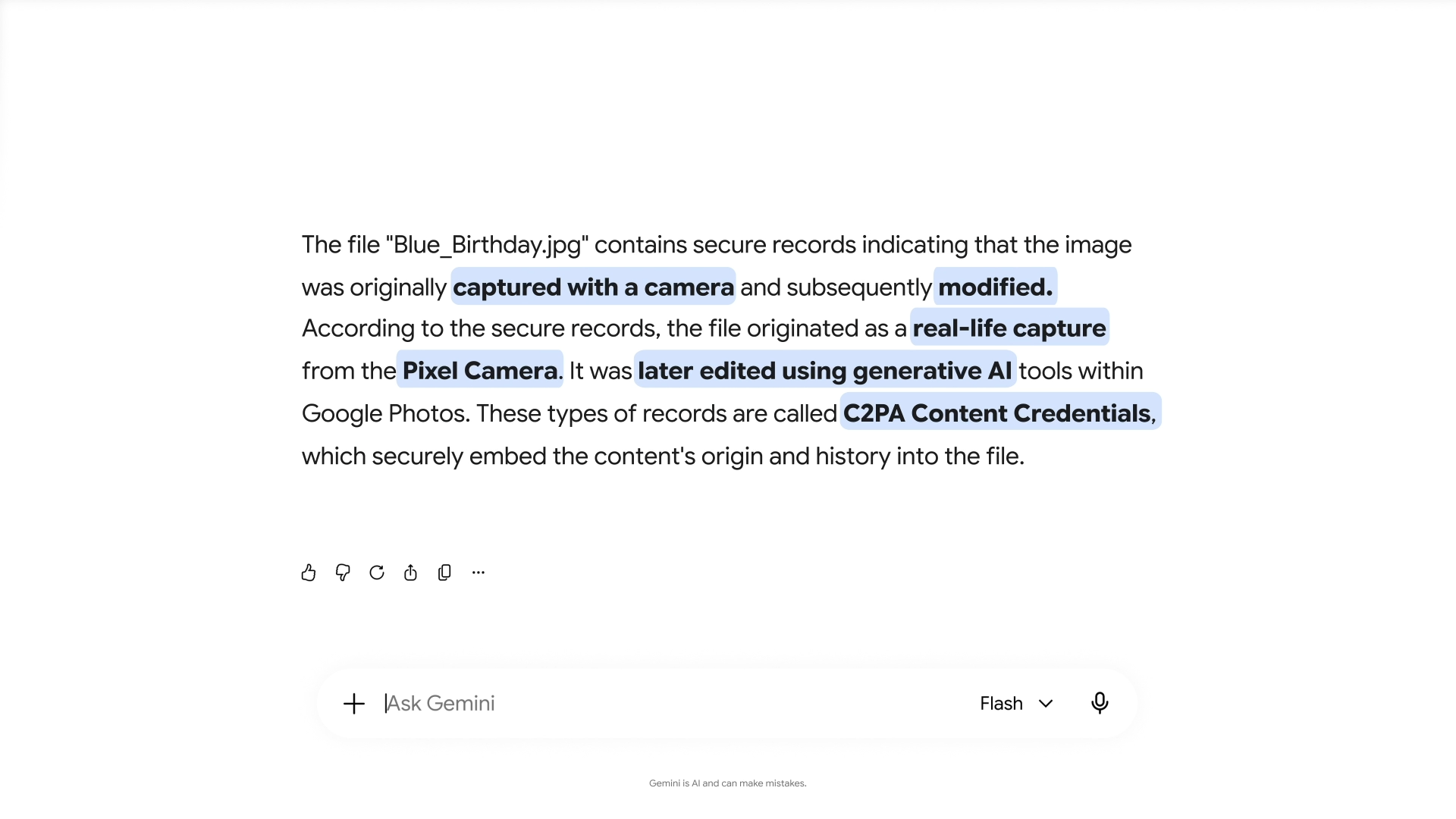
Despite the rapid technical advancement and regulatory push for AI content watermarking, the technology is far from foolproof.
While image and audio watermarks are designed to survive benign tampering like image cropping or JPEG compression, they are not immune to aggressive attacks. Bad actors can often strip watermarks by applying heavy digital noise, aggressive re-encoding, or passing the content through a secondary, non-watermarked generative model, a process known as content laundering.
Text watermarking inherently relies on the statistical probability of word choices. Simply running the generated text through an un-watermarked paraphrasing tool or translating it into another language can completely disrupt the statistical signal.
Detection tools operate strictly on statistical probability thresholds. A false positive, where authentic, human-created content is erroneously flagged as AI-generated, can ruin reputations or result in unfair academic penalization - they already have in many cases. On the flip side, although far less common, false negatives allow highly deceptive deepfakes to bypass digital filters.
If an extraction tool is made public so auditors can verify a watermark in an open-source model, malicious actors can use it to reverse-engineer the architecture and automatically strip the signal from generated media.
The Business Case for AI Watermarking
Despite the fact that AI watermarking can be thwarted, it can really only be done by people who have the time and motivation to put in the effort to do so. The majority of content creators are not going to bother, and will instead be more transparent about the role of AI in their work. There are many reasons that this is good for business, including:
- Less “AI slop” results clogging up search engine and generative AI searches, resulting in a “back to reality” structure where businesses using best practices end up at the top again
- More trust in contracts and other official documents, such as legal ones, that they’ve been written by a human
- IP protection; you can trust that your brand won’t be mangled by an AI with bad logos, messaging, or anything else
The integration of invisible watermarks into generative AI represents a critical maturation point for AI tools. However, society must grapple with the reality that watermarking is not a silver bullet. It is the beginning of an ongoing, adversarial arms race between digital detection and evasion. Navigating the AI era will require not just advanced technical solutions, but a fundamentally more critical approach to digital media consumption.
Contact Us to Learn More about Transforming Your Business